
Colorful birds and colorful people
The Biggest Week in American Birding happened this week in Toledo, Ohio—the Warbler capital of the world. Growing up in Dayton, Ohio, I knew Lake Erie as polluted and Toledo was a city my family zipped through on I-75 on our way to Detroit and the shores of Lake Michigan. I knew nothing of Magee Marsh or Ottawa National Wildlife Refuge or the Toledo Metro Parks with Howard Marsh.
A wealthy man (Magee) purchased 2,700 acres of what was called the “great black swamp” in 1903 hoping to drain it and turn it into farmland like everyone else in the Midwest. But Lake Erie didn’t cooperate, frequently overwhelming his dikes, and he turned it into private duck hunting club, for a fee. His daughters transitioned it into a lucrative muskrat trapping operation in the 1930s. The state of Ohio purchased the land in the 1950s and in the 1960s chose it as a site to reintroduce the Canada Goose.
Who knew that the Canada goose was wiped out in Ohio due to decades of overhunting, egg collecting, and the draining of natural wetlands. Testimony to the success of the effort.
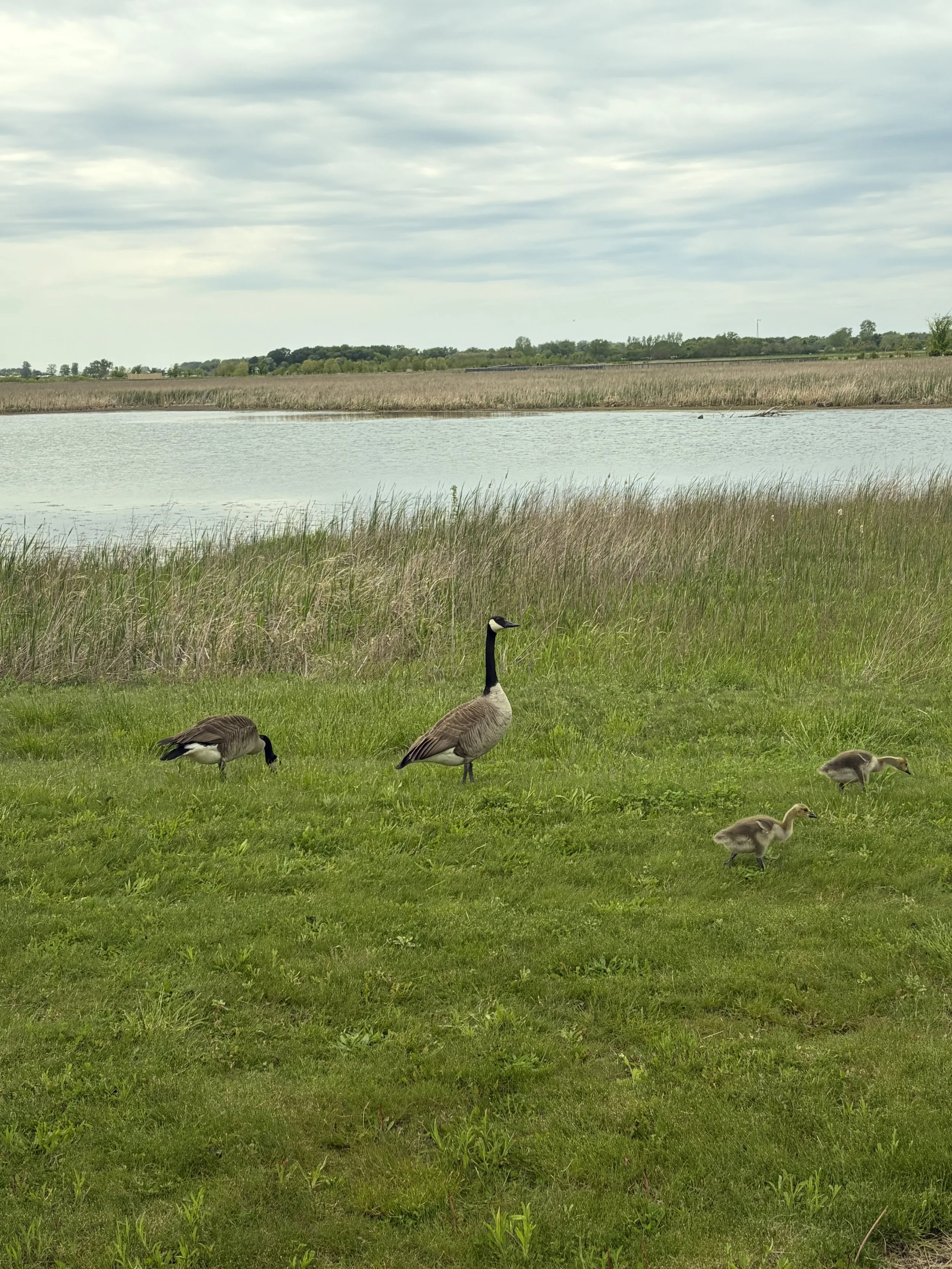
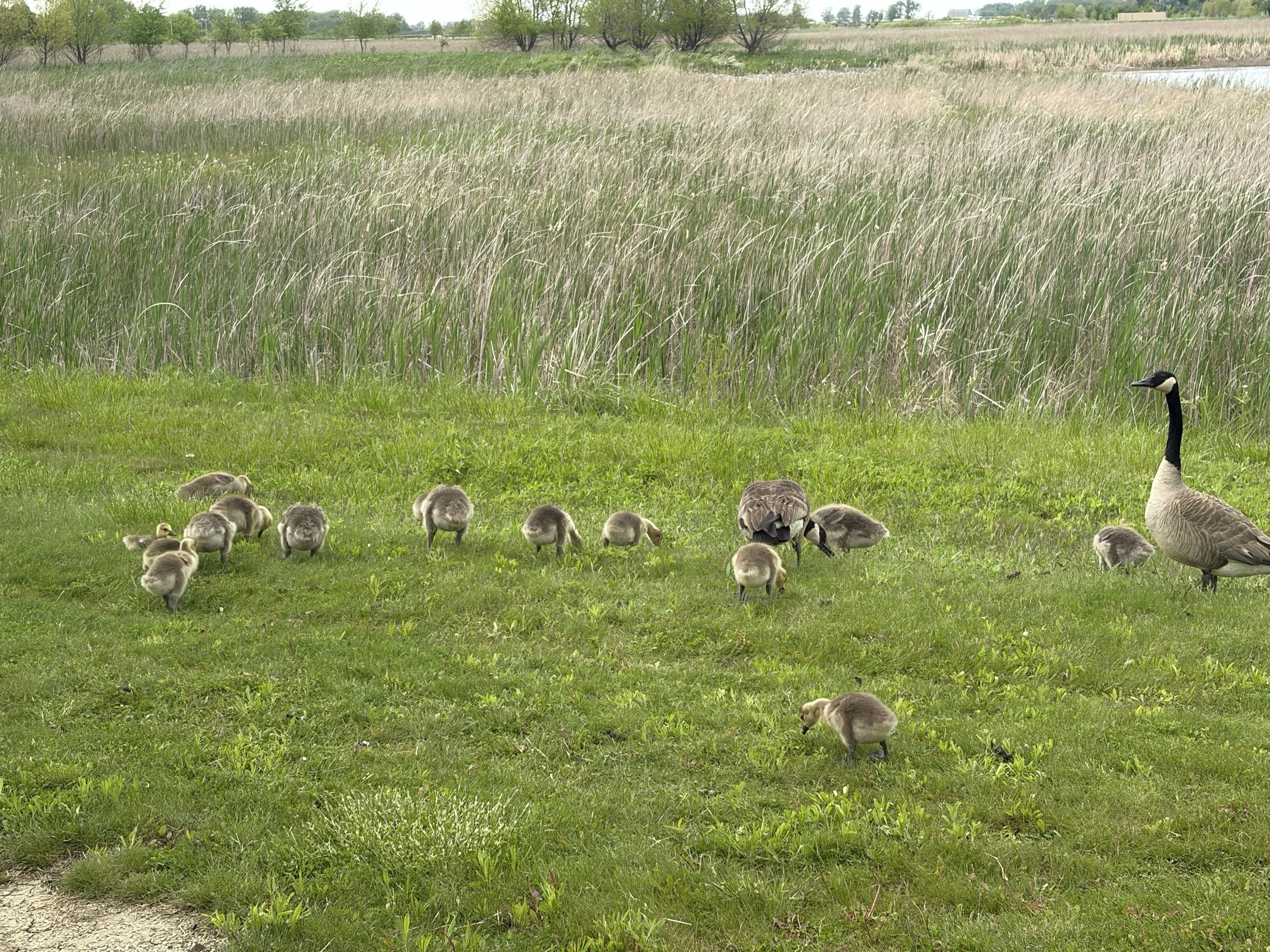
The geese are noticed and entertaining, but the goals of the colorful birders decked out in the latest in outdoor wear by Columbia and the likes, or t-shirts with slogans such as: “cremation is the last hope for this hot babe,” wearing optics—binoculars and cameras with telephoto lens—like clunky jewelry are the 37 varieties of warblers and 150 song birds migrating north.
Scarlet tanagers, cardinals and redstarts (puffs of red and black) almost glow in the patches of sunlight. Weighing less than half an ounce the warbles sport brilliant yellow, orange, blue and greens. For some, their names reflect their hues: Cerulean Warbler, Chestnut-sided and Black-throated green. They flit about eating insects and larva as fuel for their flight across Lake Erie north into Canada where many breed. Most are much less colorful on their return trip in the fall, no longer needing to attract a mate.
Most birders help each other and are happy to share the location or the name of the bird: The back tree, above the dead branch at two o’clock, the leaf clump halfway up. Now he dropped. He’s up again, but in the next bush...
The large Mennonite families dressed in dark colors: boys in dark trousers and sweaters or coats, girls in plain fabric dresses with white caps, likely homemade, stand out in their sturdy shoes but excellent optics—perhaps sparrows among the finches and warblers.
All in all, it has been a joy to celebrate nature in all her Spring glory. To celebrate Ohio’s wisdom in preserving wetlands. To witness all ages and sizes enjoying the 1-mile, handicap-accessible boardwalk through the marsh as well as the other trails. To recognize that despite the horrors and trauma in our world beauty lives.